
There is a lot of choice between high speed Internet Service Providers (ISPs) and here is a quick summary of what’s on offer today.
ADSL (Asynchronous Digital Subscriber Line) is what we first called “broadband”. Just using copper cables, these are largely obsolete with speeds around 8mbps, but in some very rural settings ADSL might still be the only option.
VDSL (Very-high-bitrate Digital Subscriber Line) is faster than ADSL and can achieve speeds up to about 80 mbps. VDSL uses FTTC (Fibre to the Cabinet) technology. This means that the longest part of the cable is now fibre and not so vulnerable to interference or moisture as ADSL. The cable coming into your home is still copper – known as the ‘last-mile’ – and even though there is still copper involved, VDSL is often known as “Fibre Broadband”
ADSL and VDSL run over the BT Openreach network so no matter whom you buy your connection from, someone somewhere is paying Openreach for the line rental.
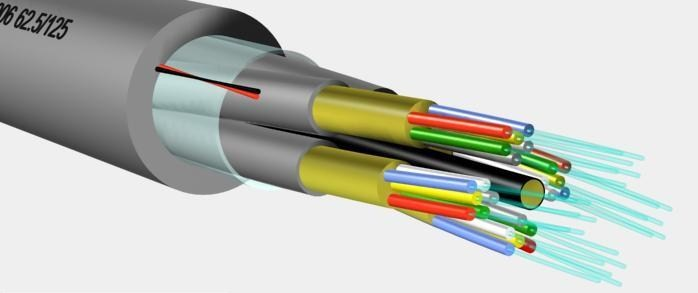
FTTP (Fibre to the Property) is slowly being rolled out across the country and has a fibre optic cable going from the exchange to your property. Also known as Full Fibre, FTTP totally eliminates copper from the system and means connection speeds are fast and reliable, up to 1gbps, sometimes more.
FTTP does involve digging up the road and your garden to lay the new fibre cable, and another drawback is that you no longer get a copper phone line, so you need power to use a phone. BT openreach offer FTTP services which are sub-sold by most major internet providers such as BT Broadband, Sky, Vodafone, etc.
Some cities have their own cable networks; in Exeter it’s common to see Virgin connections either copper cables or fibre, and elsewhere companies are also offering their own flavour of FTTP from their own network; in my area of East Devon, Jurassic Fibre is slowly connecting towns and villages. Airband and Truespeed are offering similar connections in other areas.
It’s also possible to get an Internet connection via mobile phone networks using 3g, 4g or 5g to get speeds up to about 150mbps depending on your distance from the mast. Not as reliable as a wired connection and typically more expensive some are not suitable for streaming TV or Radio, but they do offer a lifeline if you’re far off the beaten track.
Should you upgrade? Well if your ADSL line does everything you need then it’s totally fine to stick with that, but you might find the faster VDSL or FTTP connections are actually cheaper. Before you sign up, check if you can keep your landline phone working because FTTP doesn’t always come with a phone service.